Summoner's Gambit Getting Started Guide
From Apostle of the Old God to a stable first clear—classes, board setup, and run rhythm.
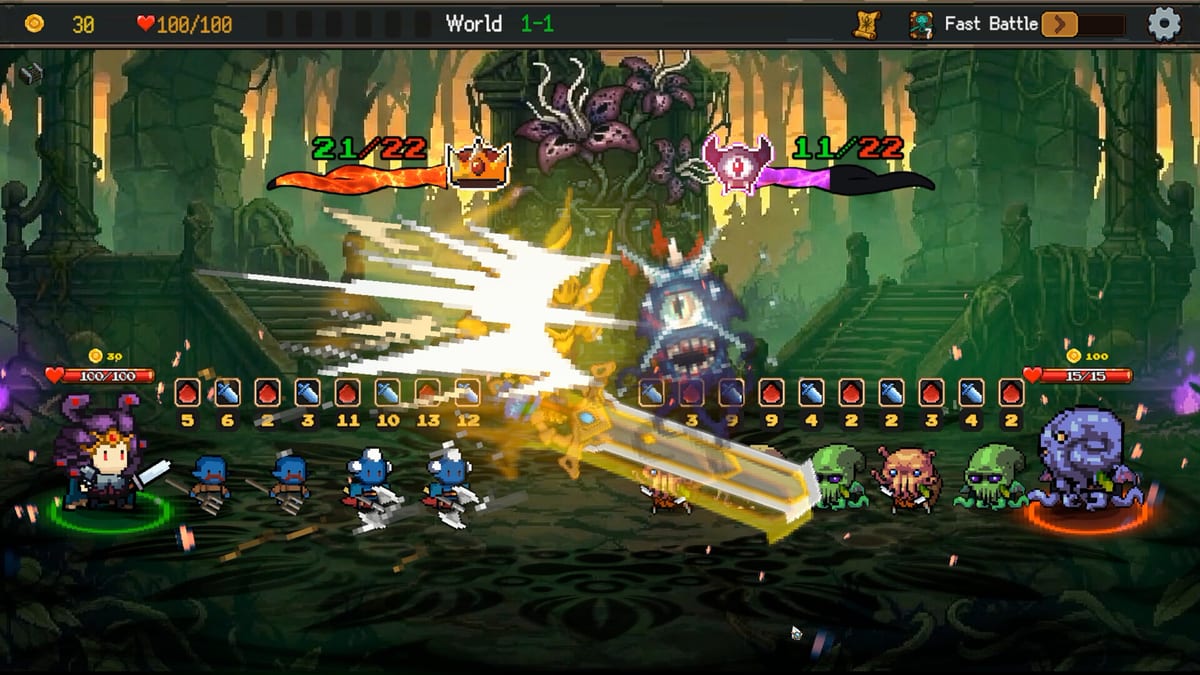
What you are signing up for
Summoner’s Gambit is a strategy roguelike deckbuilder with auto-battler positioning from Billion Studio (Steam AppID 3570110, roughly $7.99). You play as an Apostle collecting creature cards in a cosmic-horror realm, then deploy them into formations where attack order and skill range decide fights as much as raw stats. The unique twist is blackjack-style energy: push for stronger summons and you risk Energy Overflow—a bust that can erase a winning board in one careless spend. This guide gets you through the first hours without treating every shop and fusion as noise.
Read the Guides Hub for the full map of systems. When energy is the thing killing you, jump to Energy Overflow. When you start combining creatures, open Card Fusion. Multiplayer comes later via Async PvP.
Choose a class with a plan
There are four classes, each with exclusive deck identity and multiple viable build paths:
- Noble Serpent — often the cleanest first pick if you want readable synergies and structured aggression. Great for learning how trait stacks convert into tempo.
- Child of the Forest — leans into growth, support, and board longevity. Rewards patient positioning and fusion that keeps utility alive.
- Lord of Shadows — trickier tempo and disruption. Strong when you understand when to deny enemy turns rather than race damage.
- King of the Wilds — raw pressure and beastly board presence. Punishes slow setups but can overcommit energy if you greed every summon.
Do not chase every card that looks shiny. Open Builds for class-specific outlines and the Tier List for which early pieces are traps versus staples. Your first goal is a coherent package of three to five cards that share a job, not a museum of uniques.
The battle loop: plan, then let the board fight
Combat is auto-battler style. You place units before the clash; positioning sets who attacks first and which skills hit which lanes or ranges. Front rows soak and strike early. Mid and back rows often need protection or range to matter. A high-damage caster in the wrong cell is a dead card with fancy art.
Practical first-run habits:
- Put durable or early-acting units where they can absorb the opening exchange.
- Place skill-range pieces so their cones or lanes actually touch the enemy front.
- Avoid stacking every glass cannon in one column that dies to a single AoE.
- Reposition after every lost fight—do not assume the previous layout was unlucky rather than wrong.
Controls covers the UI flow for swapping slots quickly. Speed here matters because shop timers and challenge modifiers punish hesitation more than imperfect math.
Energy: learn the ceiling before you learn the gamble
Summoning obeys energy laws. Spend near the limit for power; cross it and Overflow backlash hits. Early on, play conservatively: leave a buffer of one or two points unless the fight is already lost without a big play. Cheat the Odds and related tricks exist so skilled players can weaponize risk later—not so new players can yolo every turn.
Treat Energy Overflow as a second health bar. A deck that wins at 70% energy efficiency often climbs farther than a deck that spikes once and busts twice. Deep dive: Energy Overflow. Pair that reading with Items when runes or potions change how much risk you can afford.
Fusion timing on your first successful run
Nearly every creature can fuse. The result inherits traits from both parents and becomes a denser board piece. New players often fuse too early (wasting flexible copies) or too late (carrying dead weight). A simple rule: fuse when both parents are already earning their slot or when fusion solves a clear hole (missing tankiness, missing range, missing synergy tag).
Keep at least one flexible unfused piece until you see the mid-run boss pattern. Details and inheritance pitfalls live in Card Fusion.
Run structure and what to buy
A run is adventure nodes, fights, shops, and events that feed a growing deck of 200+ possible cards across the game’s pool. Early shops: prioritize curve and synergy over rare stickers. Mid run: invest in fusion materials and runes that stabilize energy. Late run: trim clunky draws; a thinner, fused deck beats a bloated trophy case.
Potions are tempo tools—heal, cleanse, or temporary power when Overflow risk is high. Runes are longer modifiers; read them against your class path rather than defaulting to raw damage. Catalogs: Items. For planning helpers, see Tools.
After the tutorial curve
Async PvP typically unlocks around character level 3 in the demo and expands in the full game. Do not rush it until you can explain why your formation works. When you are ready, Async PvP covers snapshot thinking. After the final boss, Ascension and Advanced / Endless challenges are the real endgame—modifier stacks that expose every lazy energy habit.
Patch awareness matters on a living indie title. Skim Updates after major patches, and use the Wiki if you lose track of page types. If you are still deciding whether the tone and systems fit you, the Review is candid about who will love the cosmic-horror deckbuilding loop and who will bounce off the energy gamble.
First-session checklist
- Pick one class and stick with it for several runs.
- Win fights with positioning before buying greed cards.
- Keep an energy buffer until you understand Overflow recovery.
- Fuse with a purpose, not because the button glows.
- Bookmark Energy Overflow, Card Fusion, and Builds for the second session.
Master those five points and Summoner’s Gambit stops feeling like random cosmic cruelty and starts feeling like a gambit you chose.
Frequently Asked Questions
Quick answers to the most common questions.
Which class is best for beginners in Summoner's Gambit?
Noble Serpent is usually the clearest first class. Child of the Forest is also friendly if you prefer slower, supportive boards. Shadows and Wilds reward sharper energy and tempo reads.
When does async PvP unlock?
In the demo it opens around character level 3. The full release expands asynchronous battles after you learn core deckbuilding and formation.
Should I fuse cards immediately when the option appears?
Only when both parents already contribute or fusion fills a concrete gap. Early random fusions often lock you out of flexible pivots.
What should I buy in the first shops?
Curve and synergy over flashy rares. Stabilize energy with runes or potions before stacking pure damage.
Where do I learn Energy Overflow safely?
Read the Energy Overflow guide, then practice leaving a one- or two-point buffer until Cheat the Odds plays become intentional.