Summoner's Gambit Child of the Forest Builds
Growth-first decks that win long maps through fusion ladders and durable formations.
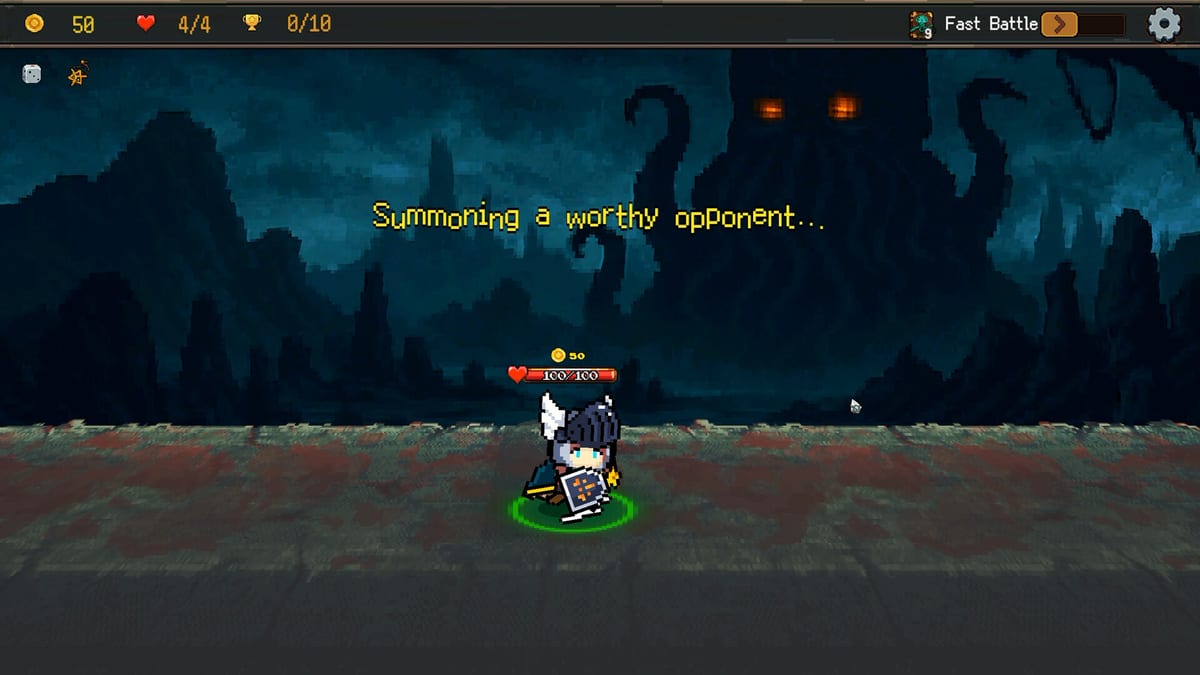
Child of the Forest identity
Child of the Forest is one of the four full-release classes in Summoner’s Gambit, joining Noble Serpent, Lord of Shadows, and King of the Wilds with its own skills and exclusive card pool. Read the name as a design promise: growth, rooted sustain, and creatures that want time on the board. In Billion Studio’s Lovecraftian deckbuilder auto-battler, that identity collides with a hard energy law—summons and skills climb toward a 21 ceiling, and overflow backlash punishes gardeners who plant too many expensive bodies in one fight.
Start here if you like patient curves. If you need the campaign basics first, read Getting Started and Beginner Builds. Compare sister identities on Noble Serpent, Lord of Shadows, and King of the Wilds. System deep-dives live in Energy Overflow and Card Fusion.
Early-run priorities
Forest lines often look soft in the first few fights because their power spikes arrive after traits stack and fusions land. Survive that window with seating, not greed. Put durable creatures where enemy attack priority lands, protect growth or support pieces in safer rows, and refuse summons that force you into overflow just to fill every tile. A half-empty board that acts in the right order beats a full board that busts.
Reward selection should feed a fusion ladder. Nearly every creature card can fuse; hybrids inherit traits from both parents and can carry dual-race abilities when you cross factions. Child of the Forest benefits from keeping complementary growth or sustain parents instead of collecting every shiny unique. When two mid cards share a future hybrid you actually want, hold them—dead-end uniques clog draws and steal energy. Catalog context sits in Creature Cards; ranking context sits in the Units Tier List.
Mid-run fusion schedule
Schedule fusion before long event chains and before Ascension modifiers stretch maps. Forest decks that delay fusion forever die to tempo classes that finish fights earlier. Aim for hybrids that keep a sustain or board-presence trait while adding damage, disruption, or a second race keyword so you are not a pure pillow fortress. After each fusion, recalculate your typical summon cost—stronger units invite overconfidence under the 21 rule.
Rune packages should lengthen your safe runway: energy efficiency, defensive bonuses, and synergy amplifiers that reward staying alive through branching events (Dagon Cult whispers, Colour Out of Space weirdness, Thurston Manuscript risks—the game loves Lovecraftian forks). Use the Runes Tier List and Items Runes to prioritize. Potions cover emergency healing, redraws, or energy trims when a boss forces a bad sequence—see Items Potions and Potions Tier List.
Formation for growth decks
Positioning changes attack priority and skill range. Child of the Forest usually wants a layered spine: front seats buy turns, middle seats host hybrids that convert time into damage, back seats protect aura or long-range pieces that only matter if they live. When you lose, check whether a growth engine never acted because it was seated into first-strike death. Auto-battler mistakes feel like “my class is weak” when the real bug was row placement.
Cross-check class strength on the Classes Tier List and browse the Builds Hub when you want a faster identity. King of the Wilds is the natural foil—tempo versus garden—while Noble Serpent shares your love of orderly seats with less emphasis on long fusion ladders.
Ascension and async PvP
Ascension (nine challenge steps in the launch feature set) stretches runs and taxes slow decks. Forest builds must lean: fewer vanity summons, clearer fusion targets, runes that keep energy totals honest. In Async PvP, growth snapshots can look unkillable in PvE yet fold to burst seating that deletes your engine before traits stack. Practice protecting the hybrid that represents your win condition and do not rely on opponents politely attacking your frontline forever.
Judgment of Life after defeat lets you sacrifice progress to return stronger—or end the run. Forest players should decide early whether a failed long fusion plan is worth a Judgment reset or a clean restart with tighter reward discipline.
Common failure modes
The classic Forest failure is over-drafting “eventually good” creatures until energy math collapses. Second is refusing to fuse because parents still feel useful separately. Third is ignoring potions until a random event has already shredded your runway. Fourth is copying Wilds aggression without Wilds’ exclusive tools. Stay patient without becoming passive: plant, fuse, seat, and only then push the energy edge.
For site navigation, use Items, Tier List, Tools, and Updates. Tone and purchase fit live in the Review.
Frequently Asked Questions
Quick answers to the most common questions.
Is Child of the Forest beginner-friendly?
It is approachable if you already understand energy and fusion. Pure beginners may prefer Beginner Builds or Noble Serpent before committing to longer growth curves.
Why do my Forest runs feel weak early?
Many Forest spikes arrive after fusions and stacked traits. Survive early fights with seating and lean summons, then fuse on schedule instead of greed-drafting.
What runes should Forest prioritize?
Energy efficiency, durability, and synergy bonuses that reward surviving long maps. Pure damage runes are secondary until your hybrid spine exists.
How does Forest fare in async PvP?
Strong if your engine is protected; fragile if burst deletes growth pieces first. Practice counter-formation and keep a clearer win-condition hybrid than in casual PvE.
Which pages should I read with this guide?
Card Fusion, Energy Overflow, Creature Cards, Units and Classes tier lists, and the other class build pages for contrast.