Summoner's Gambit Builds Hub
Class archetypes, starter lines, and fusion-ready deck plans for every Apostle.
How to use this Builds Hub
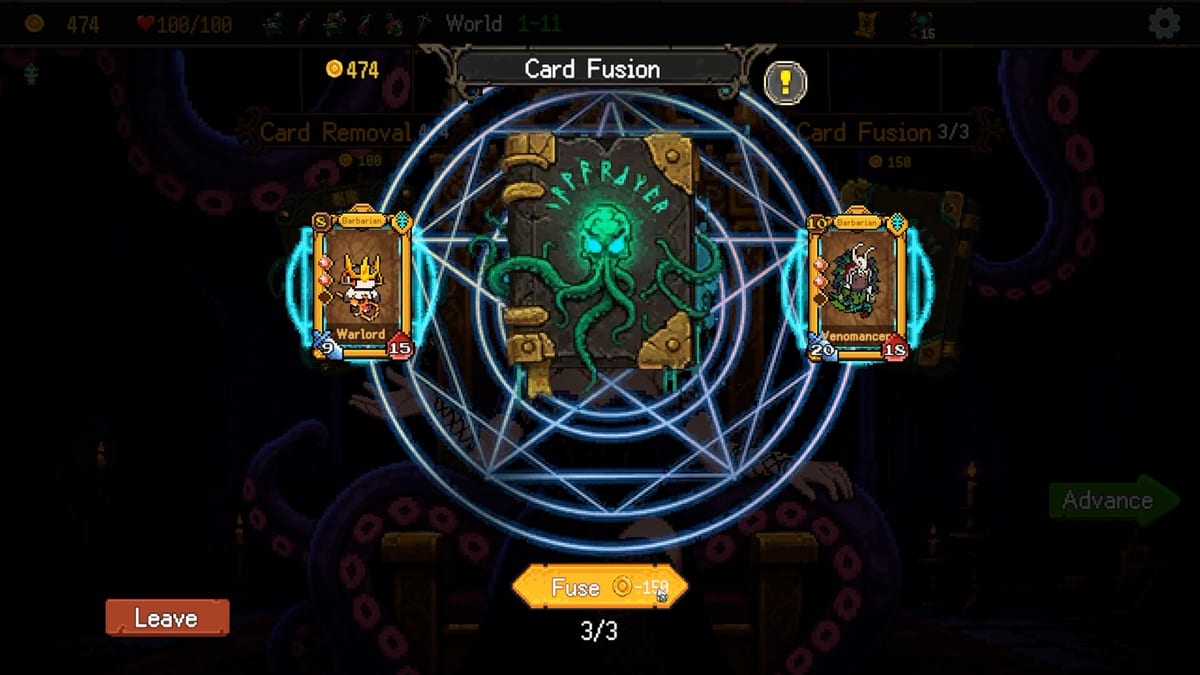
Summoner’s Gambit (Steam, Billion Studio, released August 6, 2026) asks you to pick a class, grow an exclusive card pool, fuse creatures into hybrids, and win fights under a blackjack-style energy ceiling of 21. Builds are not static loadouts—you shape a run by which creatures you keep, which traits you fuse toward, which runes raise your safe energy window, and how you seat units so attack priority and skill range actually fire.
Use this hub to choose a class page, then keep Energy Overflow and Card Fusion open while you theorycraft. Rankings that tell you which roles are overtuned live in the Tier List. Rune and potion catalogs live under Items. If you have not finished a clean first clear, start with Getting Started before chasing Ascension modifiers.
First Strike — the launch-week clear archetype
Community clears after full release converged on First Strike (先攻): two to three early-acting attackers, a scored hand dump via Score Control, and seating that deletes packed frontlines before multi-hit bosses finish their script. That is not a single class—it is a run identity you can layer onto any Apostle once you understand the system guides.
Start here if you want consistent campaign clears: First Strike Build — shop route, fusion plan, score packets, boss openers, and class variants in one checklist. Read First Strike for the theory, Boss Walkthrough for finale macro, and Formation so your openers actually reach targets. Noble Serpent is the usual teacher class for tidy dumps; Child of the Forest grows attack before importing the trait; Lord of Shadows and King of the Wilds add disruption or tempo twists.
The four class pages
Each class brings its own skills and exclusive card pool. Demo players already knew Noble Serpent and Lord of Shadows; the full release adds Child of the Forest and King of the Wilds. Treat those pages as playstyle manuals: early curve, fusion targets, formation habits, rune priorities, and where the build fails in async PvP.
- Noble Serpent builds — disciplined tempo, controlled energy, precise frontline seats.
- Child of the Forest builds — growth curves, sustain, patient fusion ladders.
- Lord of Shadows builds — disruption, bleed-out lines, high-variance Cheat the Odds swings.
- King of the Wilds builds — board pressure, aggressive trades, tempo-first positioning.
New players should open Beginner Builds for low-bust openers that survive random events and teach formation without demanding perfect draws. Graduate to First Strike Build once overflow accidents stop defining your runs.
Shared build pillars
Every strong deck in Summoner’s Gambit balances three pillars. First is energy literacy: summoning and skills push you toward the 21 limit, and overflow backlash can erase a winning board. Second is fusion planning: nearly all creature cards can fuse, and hybrids inherit traits from both parents—so mid-run copies are investments, not clutter. Third is auto-battler seating: who acts first and which skills reach the backline often matters more than a single big stat stick.
Cross-check role strength on the Units Tier List and class strength on the Classes Tier List. When a build stalls, ask whether you need a safer rune from Items Runes, a tempo potion from Items Potions, or a leaner fusion plan from Card Fusion.
After the campaign
Campaign bosses teach systems; Async PvP and Ascension punish greed. Snapshot decks that clear PvE often bust against mirrored energy pressure. Revisit class pages after you unlock ladder play and after each Ascension step—modifier stacks change which beginner lines still scale. First Strike remains strong in PvE but needs flexible seating in async duels.
Planning helpers live in Tools. Patch swings belong in Updates. Keep this Builds Hub bookmarked whenever you finish a run and want a different class identity—or a sharper First Strike line—instead of repeating the same comfortable curve.
Frequently Asked Questions
Quick answers to the most common questions.
Which Summoner's Gambit build should I run first?
Start with Beginner Builds, then open First Strike Build for consistent campaign clears. Pick Noble Serpent if you want controlled energy, or Lord of Shadows if you already understand bust risk from the demo.
What is the First Strike archetype?
A run plan built around early-acting attackers, score-controlled hand dumps, and seating that deletes boss frontlines. See First Strike Build plus the matching system guides.
Do builds stay fixed across a whole run?
No. You draft, fuse, and seat units as rewards appear. Class pages describe targets and habits, not a single frozen decklist.
Where do runes and potions fit into a build?
Runes reshape your energy and synergy ceiling across a run; potions are timing tools for individual fights. See Items plus the Rune and Potion tier pages.
Should I optimize for Ascension or async PvP first?
Clear the campaign with a stable First Strike or beginner line, then specialize. Ascension rewards lean energy discipline; async PvP rewards counter-formation and anti-burst seating.