Summoner's Gambit Energy Overflow & Cheat the Odds
Treat summoning energy like blackjack—push for power without eating the bust.
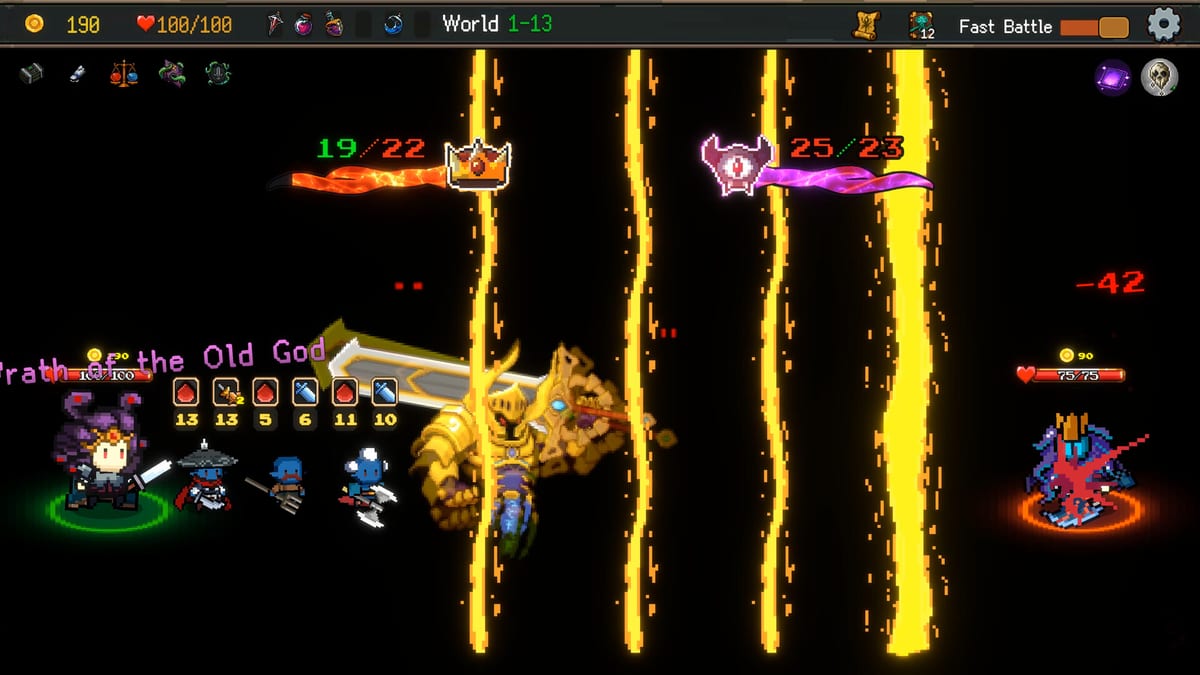
Energy is the real boss mechanic
In Summoner’s Gambit, summoning obeys energy laws. You spend toward a limit to field stronger boards; cross that limit and Energy Overflow triggers backlash. The fantasy is cosmic horror and sealed creatures, but the math is closer to blackjack: sit under the ceiling for consistency, or hit for a spike and accept bust risk. Greater risks can yield greater rewards—if you survive the turn.
New players should finish Getting Started first. This page assumes you already place units and understand that positioning sets attack order and skill range. Energy sits on top of that layer: a perfect formation still loses if Overflow deletes your plan mid-clash.
How Overflow feels in a fight
Think in three zones:
- Safe band — comfortable buffer below the limit. Ideal for learning, Ascension modifiers that punish mistakes, and any fight you must not throw.
- Pressure band — one or two points from the ceiling. You are maximizing output while still having a path to stay legal.
- Greed line — any spend that busts if an extra cost resolves. Only take this line when the alternative is a guaranteed loss or when a specific trick (including Cheat the Odds) changes the expected value.
Overflow backlash is not “flavor text.” It is the Old God’s tax on arrogance. Builds that ignore the tax look strong in easy nodes and collapse the moment shops and enemies force denser summons.
Cheat the Odds: when the gamble is correct
Cheat the Odds and related unique tricks exist so skilled summoners can navigate risk instead of forever sitting in the safe band. Use them when:
- You can quantify the upside (lethal, key trait trigger, denial of an enemy win condition).
- You have recovery—potions, runes, or a fused tank that still functions after a partial failure.
- The opponent’s board (PvE pattern or async snapshot) punishes slow safe play more than it punishes occasional busts.
Do not Cheat the Odds because the button looks cool. Every failed gamble teaches the ladder that your deck is unstable. In Async PvP, opponents effectively scout whether you are a buffer player or a greed player; adjust accordingly.
Class tendencies around the energy ceiling
- Noble Serpent — often wants controlled pressure: timed spikes rather than constant max spends.
- Child of the Forest — can afford patience if growth and support reduce the need to greed energy every round.
- Lord of Shadows — disruption sometimes lets you win from the safe band by deleting enemy turns instead of outspending them.
- King of the Wilds — temptation to dump energy for board presence is highest; Wilds players must schedule spikes, not live on the greed line.
Cross-check class packages in Builds and relative strength in the Tier List. A high-tier card that constantly forces Overflow is a false upgrade.
Fusion, runes, and potions as energy tools
Card Fusion is an energy strategy tool, not only a power tool. A fused creature that replaces two inefficient summons can lower total spend while keeping traits. Conversely, a greedy fusion that raises costs without changing your curve will push you into Overflow more often.
Items matter here:
- Runes that stabilize draws or reduce variance let you play closer to the pressure band safely.
- Potions are emergency valves—use them to recover from a planned spike, not to paper over a broken curve every fight.
- Avoid stacking pure damage modifiers if your real failure mode is busting, not lacking damage.
Planning helpers live under Tools if you want to theorycraft ceilings between runs.
Positioning interacts with energy more than people admit
Because combat is an auto-battler, a cheaper correct formation can beat an expensive wrong one. If your backline never acts because range is wrong, every energy point you spent on them was a soft Overflow—you paid and got nothing. Re-read formation habits in Getting Started and bindings in Controls so you are not spending energy to place corpses.
Ascension and Endless raise the stakes
Ascension challenges, Advanced modifiers, and Endless runs compress mistakes. Energy discipline becomes the difference between a clean ladder climb and a mid-map implosion. Practice the safe and pressure bands in normal runs until choosing the greed line feels like a conscious call, not a habit.
Watch Updates after balance patches—energy-adjacent cards and runes are frequent tweak targets on a deckbuilder of this style. Site map: Wiki. Tone and purchase fit: Review. Sibling systems hub: Guides Hub.
Practical drill for the next ten runs
- Write down your soft ceiling (the spend you almost never cross).
- Only break it with a named reason: lethal, key fuse trigger, or Cheat the Odds line.
- After each bust, note whether fusion thinning or a rune would have prevented the need.
- In shops, prefer cards that do their job at lower energy before flashy finishers.
- In PvP, decide your public identity: consistent buffer or calculated gambler—and build the deck to match.
Energy Overflow is not a mini-game bolted onto Summoner’s Gambit. It is the gambit. Master the ceiling and the rest of the strategy stack finally has room to breathe.
Frequently Asked Questions
Quick answers to the most common questions.
What is Energy Overflow in Summoner's Gambit?
It is the blackjack-style backlash for exceeding your summoning energy limit. Pushing near the limit increases power; crossing it risks severe punishment.
When should I use Cheat the Odds?
When the upside is concrete, you have recovery tools, and safe play is likely to lose anyway. It is not a default every-turn button.
How do runes and potions help with energy?
Runes reduce variance or reshape costs over a run; potions are short-term recovery after planned spikes. See the Items section for specifics.
Does fusion lower energy pressure?
Often yes—if the fused unit replaces inefficient double summons. Greedy fusions that raise costs without improving curve can worsen Overflow risk.
Why do I still lose with a full energy buffer?
Positioning, range, and trait synergy still matter. Safe energy cannot save a formation that never applies its skills.