Summoner's Gambit King of the Wilds Builds
Beast-tempo decks that win fights early through pressure seating and lean energy.
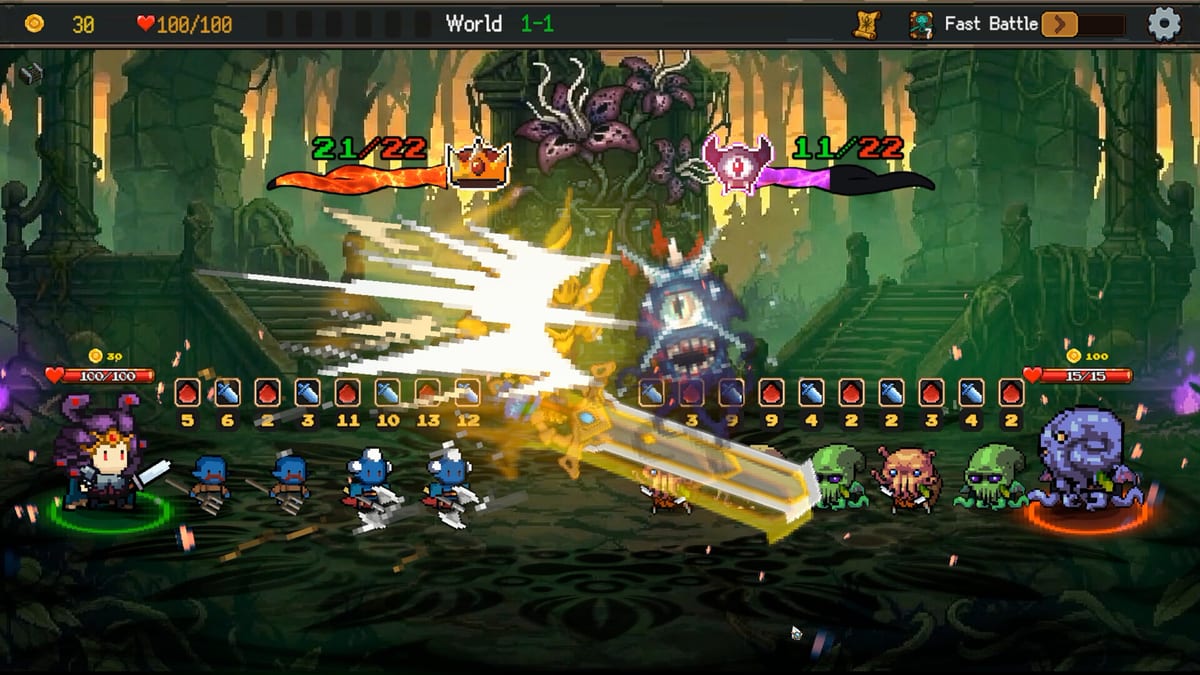
King of the Wilds identity
King of the Wilds is a full-release class in Summoner’s Gambit with its own skills and exclusive card pool beside Noble Serpent, Child of the Forest, and Lord of Shadows. The fantasy is territorial aggression: beasts and wild pressure that finish boards before slower growth or attrition plans come online. That fantasy still obeys the same Old God law—summoning climbs a blackjack-style energy track toward 21, and overflow backlash can turn a stomping start into a free loss.
Use Getting Started for run flow, Beginner Builds for safer openers, and Energy Overflow before you treat every fight like a rush-down highlight. Compare siblings: Noble Serpent, Child of the Forest, Lord of Shadows.
Early-run priorities
Wilds wants tempo seats immediately. Place pressure pieces where attack priority deletes threats, keep a thin backline for reach skills, and avoid summoning so many bodies that you tip into overflow while “almost” winning. Early rewards should favor creatures that hit hard enough to shorten fights or fuse into hybrids that keep that tempo identity. Collecting every bulky Forest-style grower dilutes the class.
Fusion still matters. Nearly all creature cards can fuse; hybrids inherit traits from both parents and can cross the four ancient factions. Wilds hybrids should preserve first-strike relevance or board-wipe pressure while adding a second keyword that survives longer maps. Hoarding unfused mid creatures until the bag is sludge is how tempo decks become midrange mush. See Card Fusion and Creature Cards.
Mid-run package
As maps lengthen, pure rush plans meet denser bosses and nastier events. Upgrade your spine: one or two fused centerpieces, a clear priority seat, and runes that either refund aggressive summoning or convert kills into more pressure. If your average fight energy sits at 19–20 every time, you are one misclick from backlash—install a safer floor even if the class wants blood.
Rune reading order: Runes Tier List then Items Runes. Potion reading order: Potions Tier List then Items Potions. Wilds potions often look like burst or redraw tools that keep a stalled board from forcing a desperate overflow. Do not waste them on fights you already win under 18 energy.
Formation habits
Auto-battler positioning decides whether your beasts act before enemy control tools. Typical Wilds spines put the hardest hitters in seats that contest priority, protect a secondary hybrid that cleans leftover rows, and refuse glamorous backline piles that never swing. When you lose a “winning” board, check skill range and who acted first before you rewrite the whole deck.
Role strength lives on the Units Tier List; class placement lives on the Classes Tier List. The Builds Hub is the map back to every identity when tempo stops paying rent.
Ascension and async PvP
Ascension challenges (nine steps in launch notes) punish glass rush decks that only work on short maps. Keep a lean Wilds package that can win without overflow, then add selective greed for bosses you understand. In Async PvP, tempo snapshots are terrifying when they delete engines on turn one and embarrassing when they bust against a patient Serpent or Forest formation. Build at least one ladder deck that respects mirrored energy pressure.
Asynchronous PvP in the full game leans on preset decks, customization, and anytime duels—your Wilds snapshot should communicate a clear plan in the seating alone.
Common failure modes
Over-summoning is the Wilds disease. Players fill every tile, tip past 21, and call the class unlucky. Second failure: ignoring fusion because “base cards hit hard enough” until Ascension densifies enemies. Third: copying Shadows overflow habits without Shadows’ disruption safety nets. Fourth: seating every attacker in the same death cone. Stay aggressive, stay countable, and fuse before the mid-game wall.
Continue with Items, Tier List, Tools, Updates, and the Review for purchase context.
Frequently Asked Questions
Quick answers to the most common questions.
Is King of the Wilds a beginner class?
It is readable if you already manage energy. Beginners who over-summon will bust often—use Beginner Builds first, then return with tighter seating habits.
How do Wilds decks beat Forest growth lines?
Finish early. Delete growth engines with priority seating before fusions and stacked traits come online, and keep your own energy under the backlash line.
Should Wilds skip fusion?
No. Fuse into hybrids that keep tempo traits while adding survivability or a second race keyword so longer maps do not flatten you.
What potions matter most for Wilds?
Effects that restore a stalled rush—redraws, burst windows, or energy trims that prevent a desperation overflow. See Items Potions and the Potions tier list.
Where should I go after this page?
Energy Overflow, Card Fusion, Units and Classes tier lists, and Async PvP once you want ladder snapshots.